Home energy
Boiler Upgrade Scheme: a 2026 guide for Northampton property owners
Current heat-pump grants, the temporary off-gas-grid uplift and the practical checks to make before choosing an installer.
What the scheme currently offers
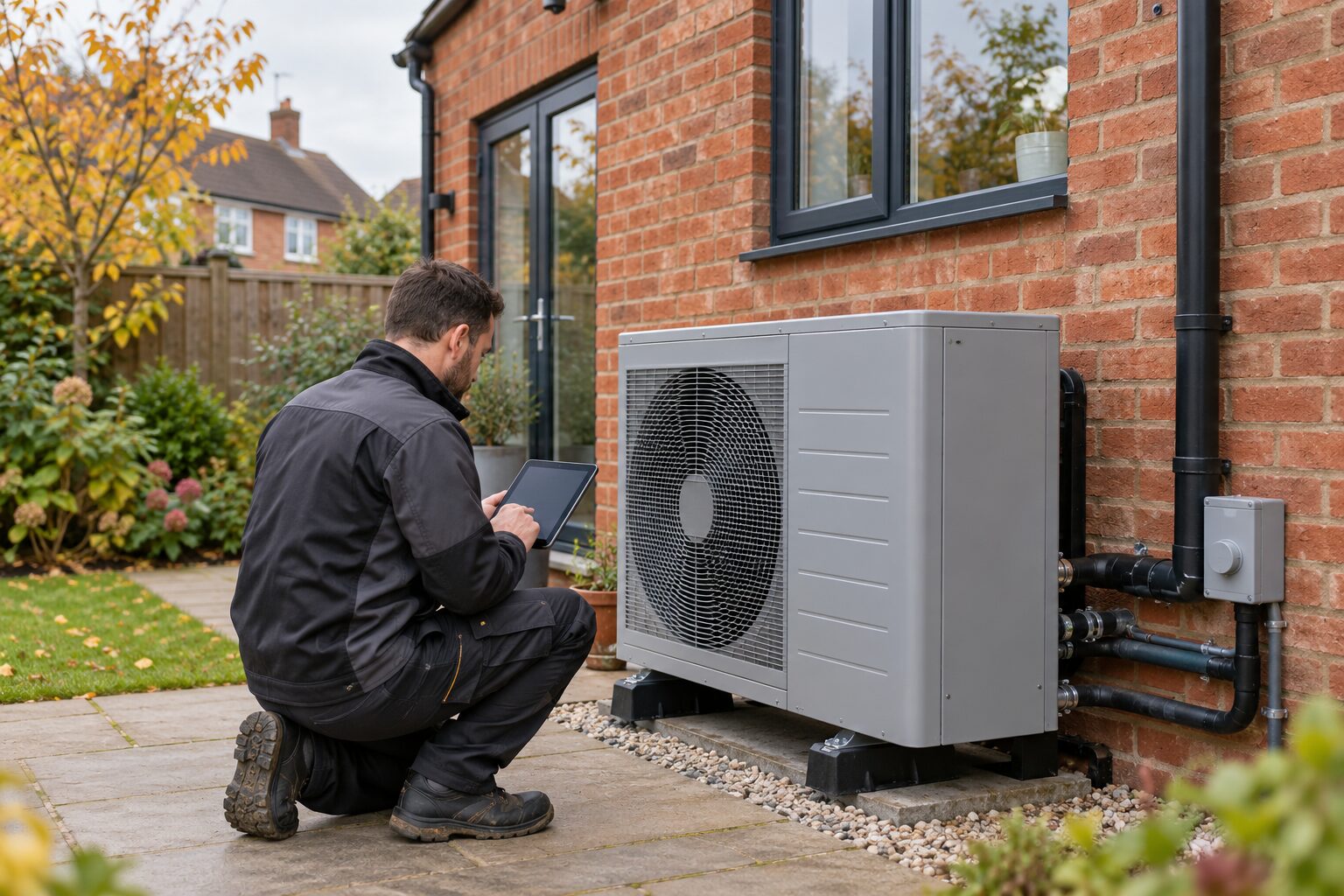
The Boiler Upgrade Scheme provides an upfront contribution towards replacing an existing fossil-fuel or electric heating system with eligible low-carbon heating. As checked on 7 October 2026, the standard grants are £7,500 for an air-to-water heat pump, £7,500 for a ground or water source heat pump, £2,500 for an air-to-air heat pump and £5,000 for a biomass boiler.
A temporary additional £1,500 is available for an air-to-water or ground source heat pump where the property is heated by oil or LPG and has no mains gas connection. Ofgem says this higher £9,000 level is available until 31 March 2027. Eligibility and scheme amounts can change, so recheck the official pages before committing to a project.
Who may be eligible
The applicant must own the property. This can include a main home, second home, business premises or a property rented to tenants. Most new-build properties and social housing are excluded, and the grant cannot be used where government funding has already paid for the heat pump or biomass boiler installation.
The new system normally needs to replace an existing fossil-fuel or electric heating system and must meet the scheme’s technical requirements. Hybrid systems combining a fossil-fuel boiler with a heat pump are not eligible. Biomass has narrower rules: the property must be rural, off the gas grid and meet the applicable emissions requirements.
The installer applies on your behalf
This is an installer-led scheme. Start by obtaining quotes from MCS-certified installers and comparing the proposed system design as well as the price. Your chosen installer submits the application to Ofgem, and the grant should appear as an upfront discount on the quotation and invoice rather than as cash paid directly to you.
Ofgem will contact you to confirm your consent and eligibility. Respond promptly: its current guidance says it may reject an application if confirmation is not received within 14 calendar days. Once approved, the installer generally has three months to complete the work, or six months for a ground source heat pump.
- Check that the installer is currently MCS certified.
- Get more than one quote where possible.
- Confirm what is included: system design, emitters, controls, cylinder and electrical work.
- Keep the quotation, consent messages, commissioning documents and warranty information.
Plan the home as well as the heating system
A grant does not establish that a particular heat pump is suitable for a particular home. Ask the installer how the unit has been sized, what heat-loss calculation was used, whether radiators or pipework need changing and how hot water will be provided. Discuss the likely controls, noise and outdoor-unit position before agreeing the contract.
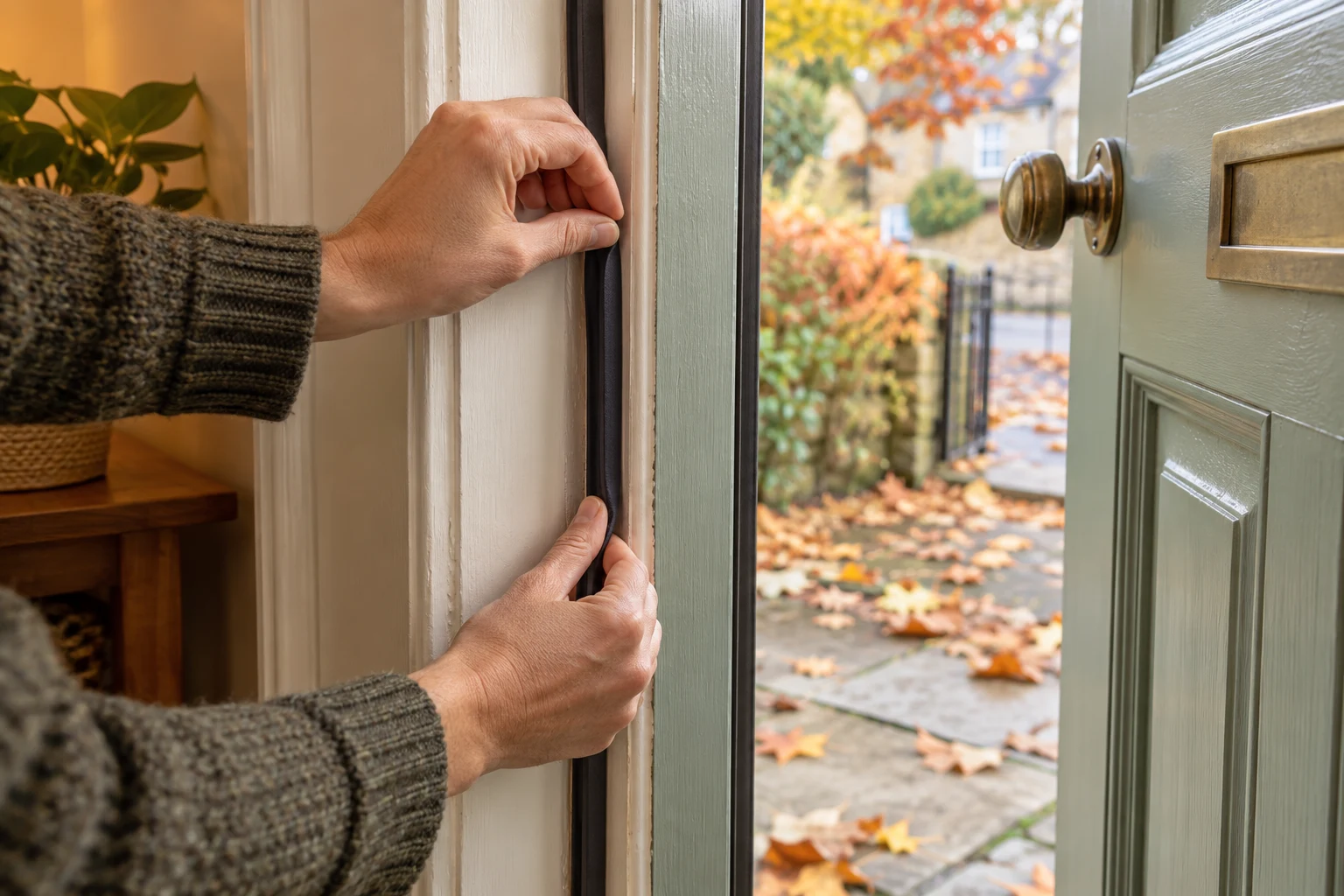
Ofgem notes that heat pumps perform best in well-insulated homes and recommends considering practical, affordable efficiency improvements. An existing EPC can provide a useful starting list, but its recommendations are not a substitute for a detailed heating design. Addressing heat loss sensibly may improve comfort and help the new system operate effectively, without assuming that any single measure will guarantee a particular EPC rating or bill saving.
Sources & further reading
Guidance checked on .
General guidance for homes in England. For an unusual property or a specific compliance question, check the current official guidance and seek advice for your circumstances.